Expansion of electricity generation capacity continues
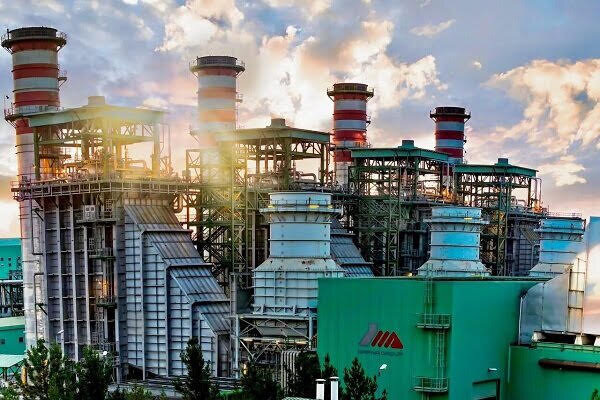
TEHRAN- An official has stated that in the renewable energy sector, production capacity has increased from 1,250 megawatts to approximately 7,000 megawatts, and in the thermal power plant sector, about 3,000 megawatts have been added to the country's generation capacity.
According to the Mehr News Agency from Iran's Power Generation and Distribution Company (known as Tavanir), Abolfazl Asadi, Deputy for Planning and Economic Affairs at Tavanir Company, in a radio interview referring to the one-year performance of the country's electricity industry, said: "To ensure reliable and stable electricity for the people, the most important challenge ahead is the imbalance between production and consumption, for which there are two fundamental solutions: first, increasing production capacity, and second, optimizing consumption. In recent years, to encourage investors to build renewable power plants, the Green Board was created, and for thermal power plants, the Free Board was established on the Energy Exchange. These boards have made it possible for private sector investors to offer their generated electricity on the Energy Exchange, with buyers also coming from the private sector. This new model is based on the obligations of the Seventh Development Plan, which envisions the expansion of Energy Exchange transactions for the Ministry of Energy, and we have taken steps to realize it."
* Historic leap in renewables and introduction of energy savings board to electricity market
Stating that significant investment has been made in the electricity generation sector during the 14th government, he added: "In the renewable energy sector, production capacity has increased from 1,250 megawatts to about 5,600 to 7,000 megawatts, and in the thermal power plant sector, about 3,000 megawatts have been added to the country's generation capacity. Additionally, for the first time, the Energy Savings Board was unveiled on the Energy Exchange, which has provided a suitable financial model for investors. Under this model, any industry that invests in energy savings can offer and sell its saved electricity on the market. This initiative has increased the number of energy savings contracts from 2 contracts per year to 59 contracts in the lighting sector and especially in cooling, including the replacement of water cooler motors with low-consumption (BLDC) motors and the replacement of low-efficiency coolers with high-efficiency ones."
The Deputy for Planning and Economic Affairs at Tavanir Company, emphasizing that the Seventh Development Plan also stresses the expansion of Energy Exchange transactions, stated: "Large industries are obligated to supply part of their electricity needs through the construction of dedicated power plants by the end of the plan. Fortunately, industries have moved in this direction, and so far about 100 to 200 megawatts of this capacity has been realized. This approach both helps boost supply and production and, through consumption optimization, gradually reduces the imbalance. By strengthening these boards, we are changing past practices and will increase the pace of progress."
* Removing transmission bottlenecks with 140 mega-projects and developing small-scale power plants
Referring to investments made in the electricity transmission and distribution network, he added: "Fortunately, the goals we summarized in the form of 140 mega-projects in September last year have been realized in the transmission and distribution sectors, and we currently have no limitations in transmission capacity. Additionally, small-scale power plants (2 to 5 megawatts) are being built by the private sector at consumption sites, which, in addition to supporting the network, can also offer their electricity on the Free Board."
The Deputy for Planning and Economic Affairs at Tavanir Company concluded by expressing gratitude for the cooperation of the people, saying: "All these achievements have been made under the special circumstances of war and unprecedented heat. The people, through their savings and cooperation, played an effective role in passing the peak consumption period, which deserves appreciation and thanks. We hope that with the continuation of this cooperation and the development of Energy Exchange boards, we can provide more reliable electricity for the people."
MA
Leave a Comment